Table of Contents
- – Understanding the Neurobiological Foundation o...
- – Peter Fritsch
- – EMDR Therapy: Bilateral Excitement for Injury ...
- – Ego-State Treatment: Collaborating With Inner ...
- – Photo Improvement Therapy: Reshaping Traumatic...
- – Treating Stress And Anxiety and Clinical Depre...
- – Searching For Holistic Trauma Treatment: What ...
The landscape of trauma therapy has actually advanced significantly over the previous 20 years, moving beyond traditional talk therapy to welcome body-centered, neurobiologically-informed strategies that deal with the complete intricacy of human suffering. For people struggling with anxiousness, anxiety, and the long lasting impacts of trauma, holistic restorative modalities offer paths to recovery that recognize both the emotional and somatic measurements of distress. Experts that incorporate techniques like EMDR treatment, ego-state therapy, and photo change treatment stand for a paradigm change in mental healthcare-- one that recognizes injury as a whole-person experience needing comprehensive treatment.
Understanding the Neurobiological Foundation of Trauma Therapy
Peter Fritsch
Dr. Hamilton and I have been close friends and professional associates for twenty years. As an Episcopal priest, I have always networked with the best professional psychologists and counselors available in the community. Jordan brings a deep spirituality and compassion to his objective clinical training and practice that is rare in the world of therapeutic help. I highly recommend him to all who seek inner knowledge of Self and healing of relationships bases on truth, compassion and joy.
Injury essentially modifies how the brain processes and stores memories, developing consistent patterns of hyperarousal, psychological numbing, and invasive recollections that identify PTSD and complex injury. Unlike regular memories that integrate right into our autobiographical story, terrible experiences commonly stay fragmented and unrefined, kept in implicit memory systems that activate fight-flight-freeze responses without conscious understanding. This neurobiological fact clarifies why simply talking concerning injury, while beneficial, usually confirms inadequate for complete healing.
Modern injury treatments target these subcortical mind frameworks where traumatic memories live. EMDR therapy utilizes reciprocal stimulation-- typically eye activities-- to help with the mind's all-natural details handling system, enabling distressing memories to be reprocessed and integrated. Ego-state therapy collaborates with different components of the self that developed as protective feedbacks to frustrating experiences, helping these fragmented elements communicate and team up. Photo makeover therapy utilizes guided images to accessibility and transform the sensory, emotional, and cognitive elements of stressful memory.
The performance of these methods hinges on their ability to deal with the limbic system and brainstem-- primitive brain areas that control emotional guideline and survival reactions. By involving these much deeper frameworks, holistic injury therapy develops adjustments that chat treatment alone can not accomplish, actually re-wiring the neural pathways that maintain people caught in cycles of anxiety, depression, and distressing reactivity.
EMDR Therapy: Bilateral Excitement for Injury Processing
Eye Activity Desensitization and Reprocessing, created by Dr. Francine Shapiro, has actually emerged as among the most thoroughly looked into trauma therapies offered. The therapy operates on the Adaptive Data processing version, which recommends that emotional distress arises from inadequately refined memories. Throughout distressing occasions, the brain's regular integration processes come to be overwhelmed, leaving memories kept in fragmented, unprocessed types that proceed creating symptoms.
EMDR sessions comply with a structured eight-phase procedure that begins with history-taking and preparation prior to relocating right into memory reprocessing. During reprocessing, clients concentrate on disturbing images, unfavorable beliefs, and body sensations while at the same time engaging in reciprocal stimulation-- most frequently following the specialist's fingers with their eyes. This twin focus appears to mimic the all-natural handling that occurs throughout rapid eye movement, enabling the mind to metabolize traumatic product and create even more flexible neural links.
What identifies EMDR from exposure treatment is that clients require not supply comprehensive spoken narratives of their trauma. The reprocessing occurs mostly at a neurological degree, making EMDR especially important for preverbal injury, dissociative signs and symptoms, or experiences as well frustrating to explain in words. Several clients report significant sign reduction in less sessions than conventional treatment, though intricate injury commonly requires extra considerable therapy.
The applications of EMDR prolong past PTSD to consist of stress and anxiety disorders, anxiety, phobias, and anxiety attack. When these problems have distressing origins-- adverse youth experiences, bullying, medical trauma, mishaps-- EMDR addresses the source as opposed to simply managing symptoms. This root-cause strategy lines up with alternative therapy viewpoint that looks for lasting recovery as opposed to short-lived signs and symptom suppression.
Ego-State Treatment: Collaborating With Inner Parts for Assimilation
Ego-state therapy identifies that the subconscious naturally arranges right into unique parts or states, each with its own point of view, emotions, and protective functions. While everyone has vanity states-- think about the part that wishes to be productive versus the part that needs remainder-- injury magnifies these departments, creating internal fragmentation that materializes as conflicting impulses, dissociative signs and symptoms, or feeling "" at battle with yourself.""
Established from hypnotherapy and psychoanalytic traditions, ego-state treatment aids customers recognize and communicate with various components of themselves, specifically those iced up in traumatic time. A component might remain stuck at age 7, still frightened and awaiting threat, while grown-up life proceeds around it. These more youthful parts typically carry the psychological intensity of trauma while safety components established fancy strategies-- perfectionism, psychological numbing, hypervigilance-- to stop retraumatization.
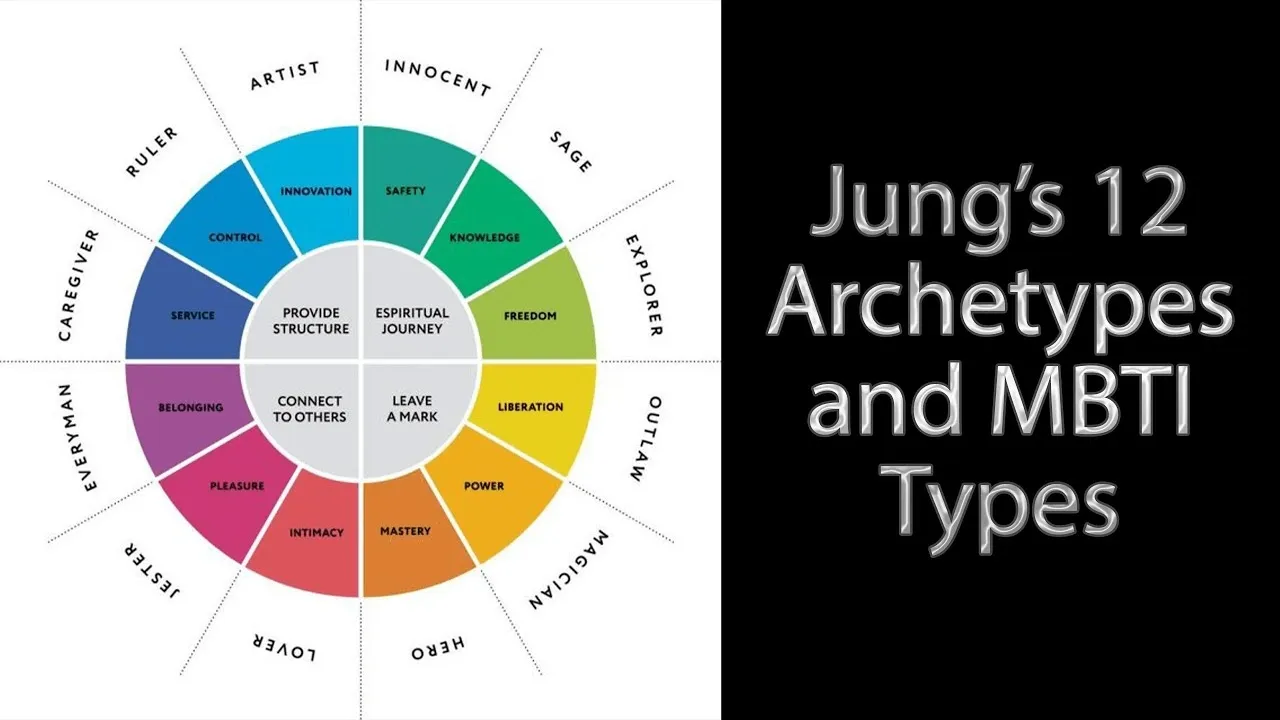
Competent ego-state specialists help with interior discussion and arrangement between parts, assisting them update their understanding of existing safety and security and team up instead than problem. This approach shares resemblances with Internal Family members Equipments treatment however stresses the hypnotic and somatic dimensions of accessing various states. Customers discover to supply the treatment and validation their traumatized parts required but never obtained, essentially reparenting themselves from the inside out.
For people with intricate trauma or dissociative symptoms, ego-state treatment provides a framework for understanding complicated interior experiences. Instead than pathologizing the fragmentation that made it possible for survival, this technique honors the flexible sparkle of the psyche while gently facilitating the combination needed for contemporary growing.
Photo Improvement Therapy: Reshaping Traumatic Memory Via Visualization
Photo transformation therapy (ImTT) stands for a lesser-known yet effective strategy that works directly with the aesthetic, sensory, and emotional parts of terrible memory. Based on research study showing that stressful memories keep their sensory intensity-- remaining as frightening as the original event-- this treatment guides clients with a procedure of intentionally changing these mental images to lower their emotional cost.
The strategy involves identifying one of the most disturbing image connected with a stressful memory, then systematically transforming its aesthetic qualities. Clients might imagine transforming a shade photo to black and white, reducing it to postage-stamp size, placing it much distant, or presenting safety components right into the scene. These changes don't refute the reality of what took place however alter just how the memory is kept and fetched, lowering its capability to cause frustrating emotional responses.
What makes photo makeover particularly useful is its meekness and customer control. Unlike exposure-based treatments that need continual contact with stressful material, ImTT permits customers to explore little adjustments, developing mastery and security. The method functions specifically well for aesthetic recalls, headaches, and phobias where a certain picture or scene triggers disproportionate distress.
All natural practitioners commonly incorporate image improvement with other methods, using it as a stablizing strategy before deeper injury handling or as a method to combine gains from EMDR or ego-state job. The visualization skills developed via ImTT also improve total emotional guideline, providing clients devices they can use individually when setting off pictures arise.
Treating Stress And Anxiety and Clinical Depression Through a Trauma-Informed Lens
Contemporary study progressively exposes that stress and anxiety and depression usually have stressful bases, also when no single catastrophic event is determined. Chronic invalidation, emotional forget, uncertain caregiving, and continuous stress and anxiety all register as injury in the worried system, developing long lasting patterns of hypervigilance, hopelessness, and psychological dysregulation. Dealing with these conditions holistically implies addressing both existing symptoms and their developing beginnings.
Stress and anxiety regularly represents an over active risk discovery system calibrated by very early experiences of danger or changability. Rather than viewing stress and anxiety as illogical or disordered, trauma-informed therapy identifies it as a smart-- if dated-- protective reaction. Methods like EMDR can desensitize the details memories that taught the nerves the world threatens, while ego-state work helps distressed parts really feel heard and progressively find out to rely on present-day safety and security.
Depression, specifically the relentless, treatment-resistant variety, frequently conceals unprocessed despair, rage, or pity pertaining to traumatic experiences. The monotony and despondence of anxiety can stand for a nerves closure response-- freeze or collapse-- that come from as defense from frustrating risk. All natural injury treatment reactivates these icy states progressively and safely, permitting suppressed feelings to relocate through the system and recovering the capability for happiness and link.
The integration of several modalities proves specifically important for anxiousness and clinical depression because these problems rarely have solitary causes. A thorough treatment plan could utilize EMDR for certain stressful memories, ego-state treatment for interior problems, and picture change for intrusive worries or depressive ruminations, all supported by mindfulness and somatic techniques that build present-moment awareness and worried system policy.
Searching For Holistic Trauma Treatment: What to Seek in a Specialist
The performance of trauma treatment depends significantly on both the techniques utilized and the specialist's skill, presence, and dedication to recurring training. When seeking alternative injury therapy, a number of variables identify genuinely integrative practitioners from those that simply note numerous certifications without deep experience.
Look for therapists with substantial post-graduate training in their specialized techniques. EMDR accreditation requires significant monitored practice past fundamental training, while ego-state therapy needs understanding of dissociation, add-on, and parts work. Practitioners who regularly participate in advanced workshops and consultation groups show dedication to proficiency as opposed to superficial expertise.
Depression therapySecond, analyze whether the specialist highlights anxious system policy and somatic understanding. All natural trauma treatment can not be successful if customers continue to be dysregulated throughout sessions, so proficient specialists teach basing techniques, track arousal levels, and rate the work suitably. They recognize that healing occurs in a window of optimal stimulation-- engaged yet not overwhelmed-- and have the professional judgment to stay within that window.

Third, take into consideration the therapeutic connection itself. Research regularly shows that the top quality of the healing partnership forecasts outcomes more dependably than specific techniques. Trauma survivors need therapists that embody safety, attunement, and authentic existence while maintaining suitable boundaries. Trust your reactions concerning whether a therapist feels truly caring, nonjudgmental, and capable of holding room for hard emotions.
Finally, all natural specialists acknowledge that healing extends past sign decrease to include meaning-making, post-traumatic growth, and reconnection with purpose. They view customers not as harmed people requiring dealing with yet as resistant beings whose signs and symptoms stand for intelligent adjustments to impossible scenarios. This strength-based perspective, combined with evidence-based techniques and deep healing visibility, creates the conditions for transformative recovery that addresses the entire individual-- body, mind, and spirit.

Table of Contents
- – Understanding the Neurobiological Foundation o...
- – Peter Fritsch
- – EMDR Therapy: Bilateral Excitement for Injury ...
- – Ego-State Treatment: Collaborating With Inner ...
- – Photo Improvement Therapy: Reshaping Traumatic...
- – Treating Stress And Anxiety and Clinical Depre...
- – Searching For Holistic Trauma Treatment: What ...
Latest Posts
Why Trauma Therapy Heals Mind, Body, Spirit
Liberation from Compulsive Exercise
Family Relationship Issues Stemming from Inherited Relational Models
Navigation
Latest Posts
Why Trauma Therapy Heals Mind, Body, Spirit
Liberation from Compulsive Exercise
Family Relationship Issues Stemming from Inherited Relational Models